

Hydroseeding & Hydromulching
HYDROSEEDING
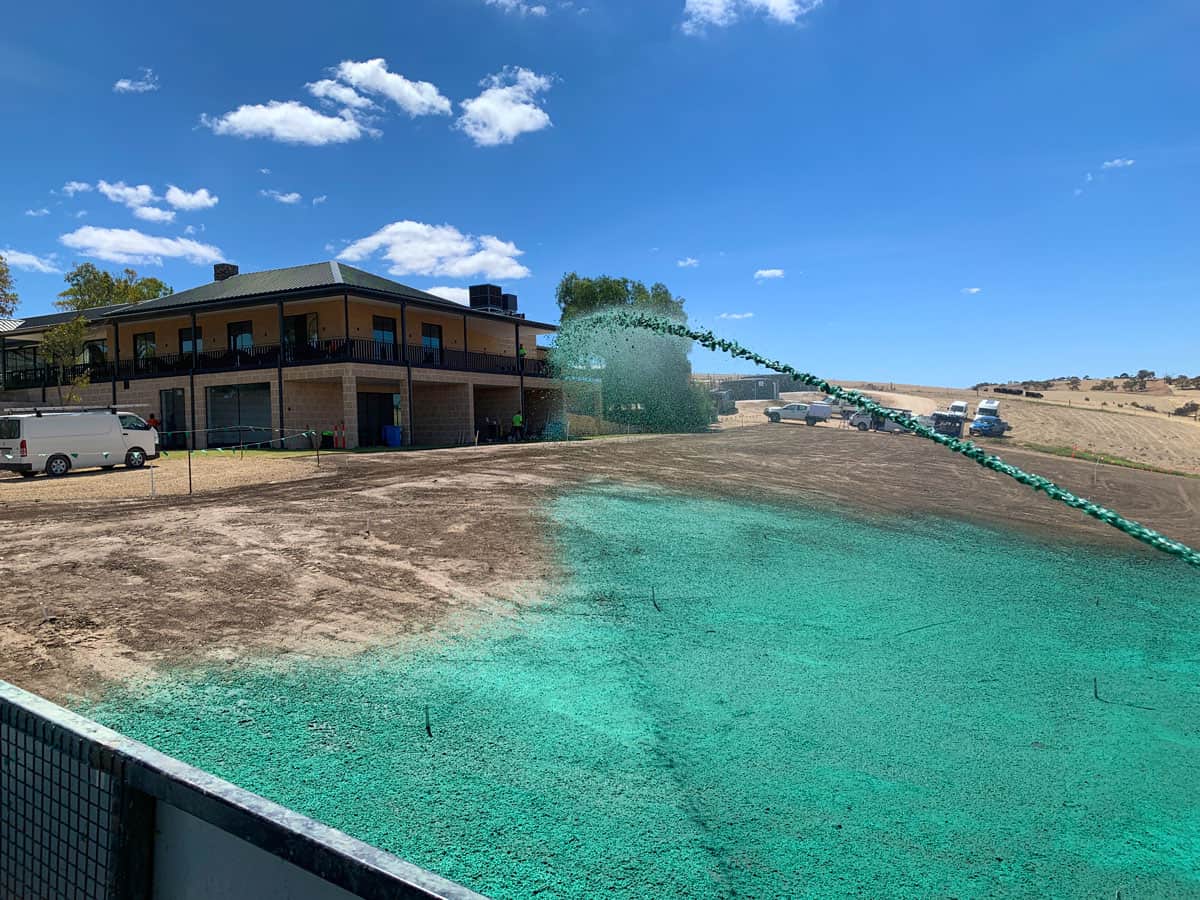
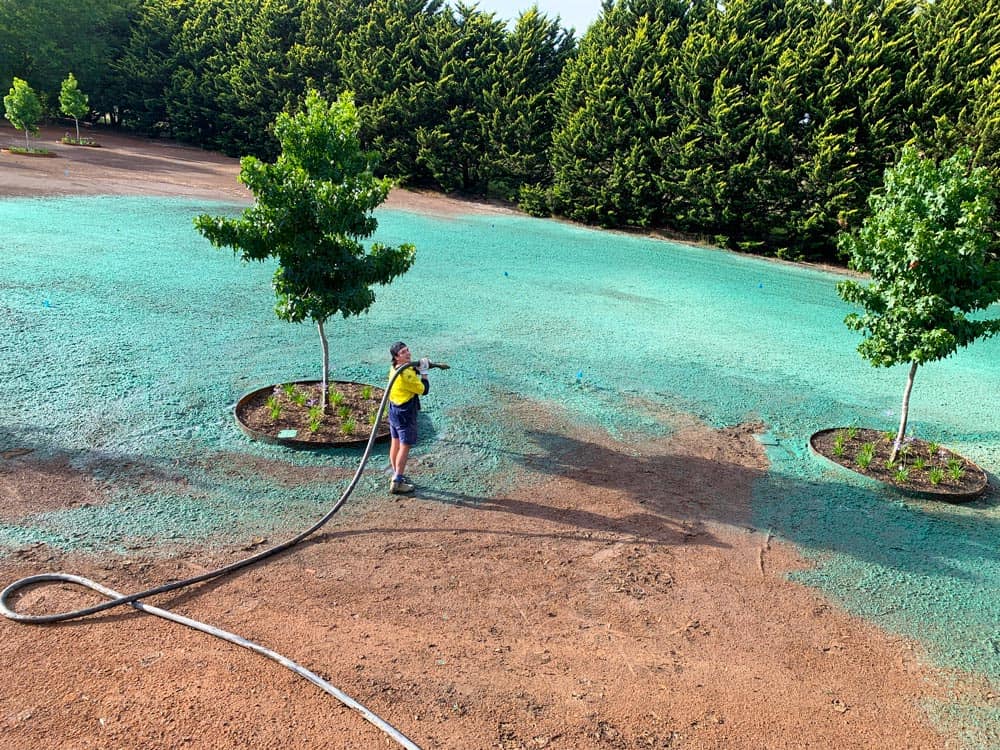
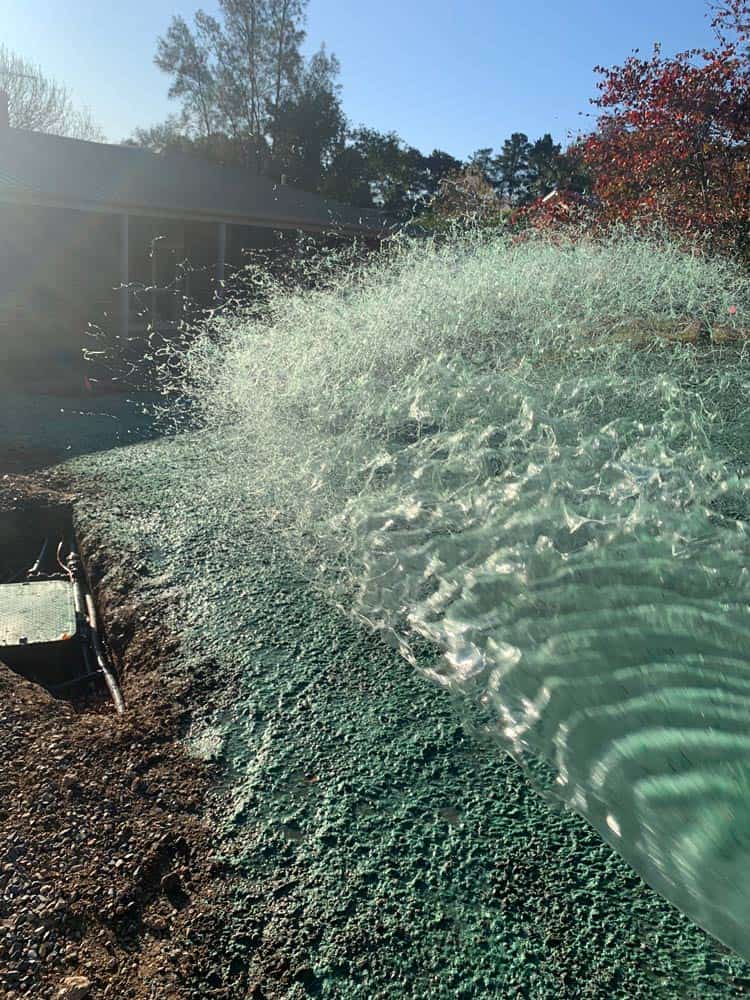
Hydroseeding is a seeding process in which seed and hydromulch are mixed into a slurry and applied to an area with water. It usually consists of a blend of seed, fertilizer, mulch, and a tackifing agent that is mixed with water to be sprayed from a specialised machine. This slurry becomes the seedbed and aids in the germination of the desired vegetation. The mulch not only aids in the delivery of the seed, but also helps retain moisture and protect the seedlings during the germination period.
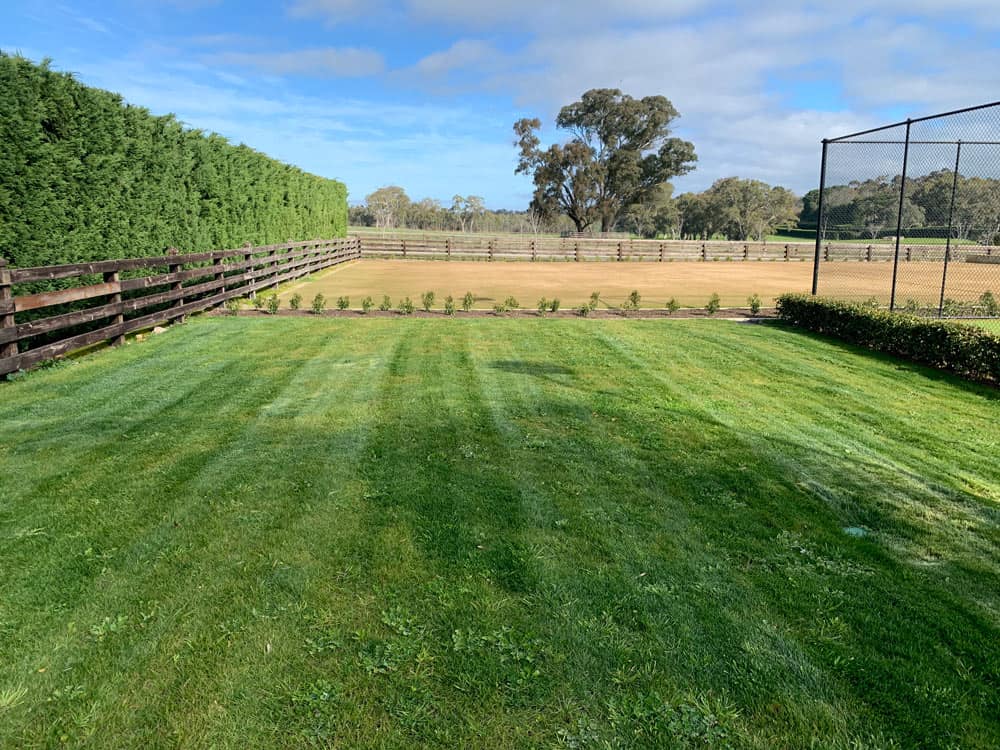
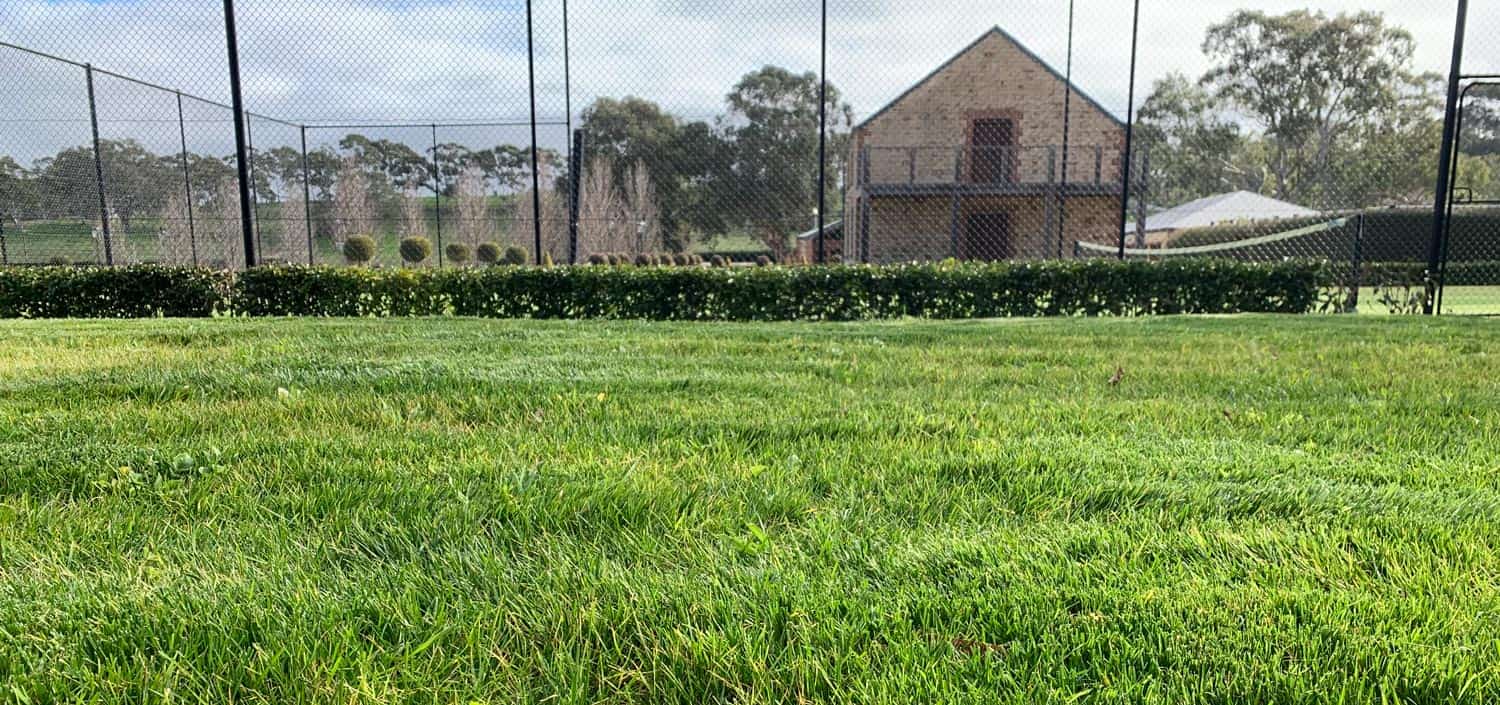
The benefits of hydroseeding are many including efficiency of placement, difficult terrain applications, less equipment to operate vs. traditional methods, and reduced labor. It can be very effective for hillsides, inaccessible terrain, and sloping lawns to help with erosion control and quick planting. Hydroseeding will typically cost less than planting with sod, but more than broadcast seeding. Vegetation results are often quicker with high germination rates producing grass growth earlier than drilled or broadcasted applications.
HYDROMULCHING
Hydromulching is basically the same process as hydroseeding but usually without the seed or fertilizer. This is typically done to a site that has had some form of dry seeding done, or used as a stand alone mulch application for dust control or soil moisture retention. Hydromulching uses the same equipment as the hydroseeding process.
Hydromulching is the application of water, seed and fertiliser in combination with a growth medium (e.g. wood fibre which we use).
It is common to introduce a binding agent into the slurry before application to help stabilise the mulch and retain moisture.
The addition of a linear polymer to the blend acts as a binder that helps the mulch bind together and stay in place while the seeds germinate. Hydromulching is quick and cost effective method compared to the traditional methods.
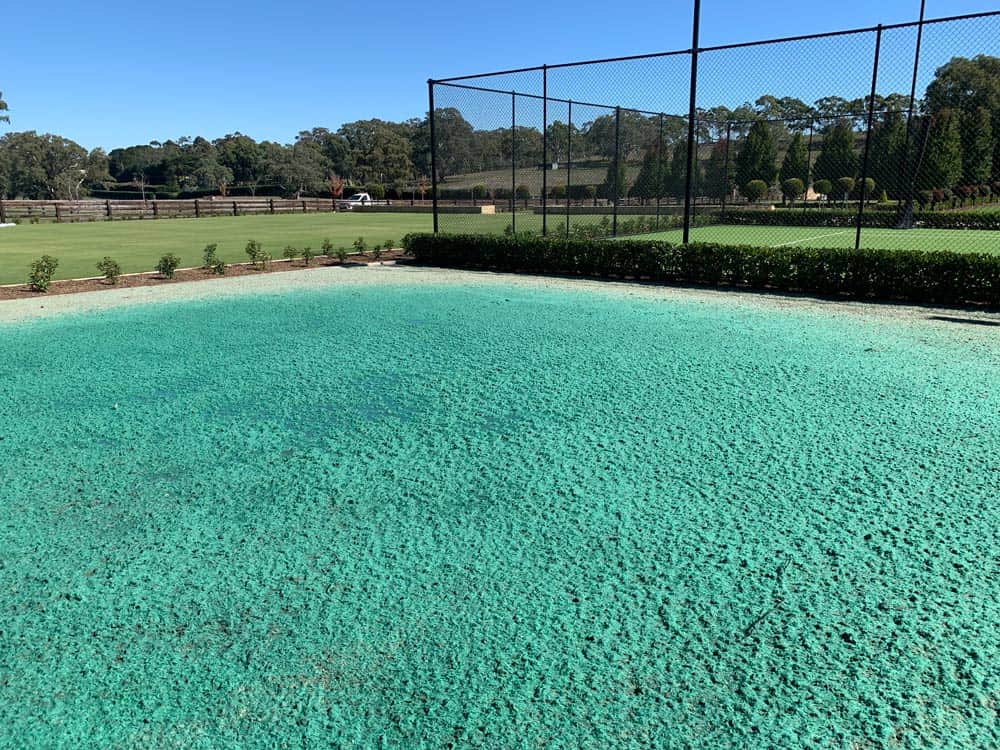
This treatment creates a protective barrier, minimising soil loss from rain and wind erosion and is ideal for lawns, sports and recreation fields, parks, steep embankments, quarries and mines.
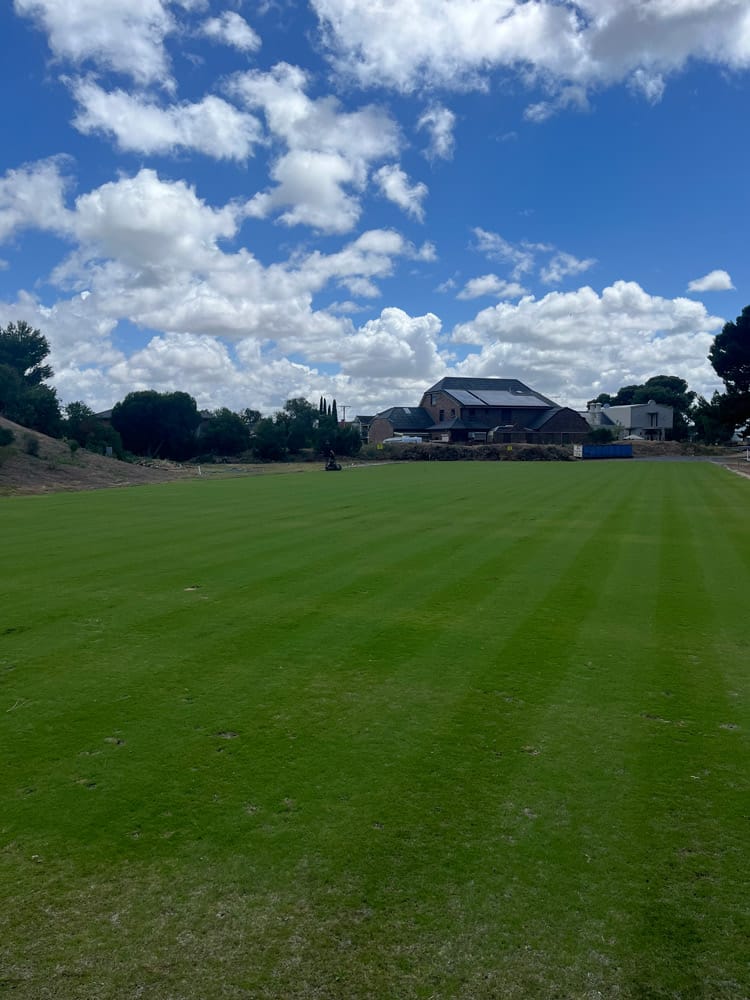
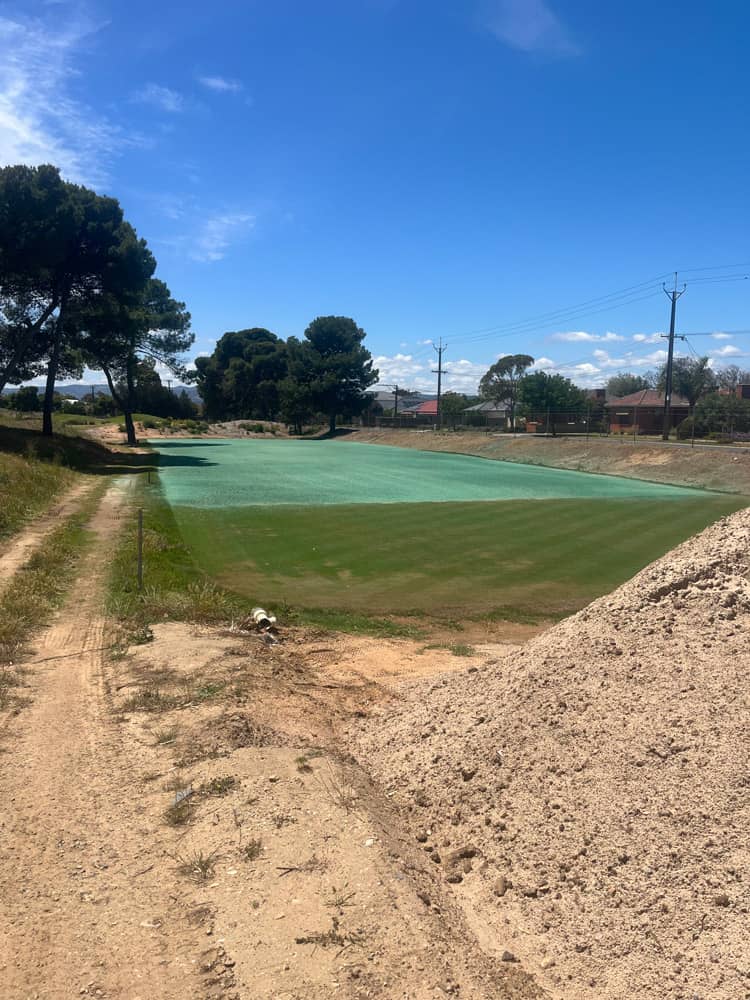
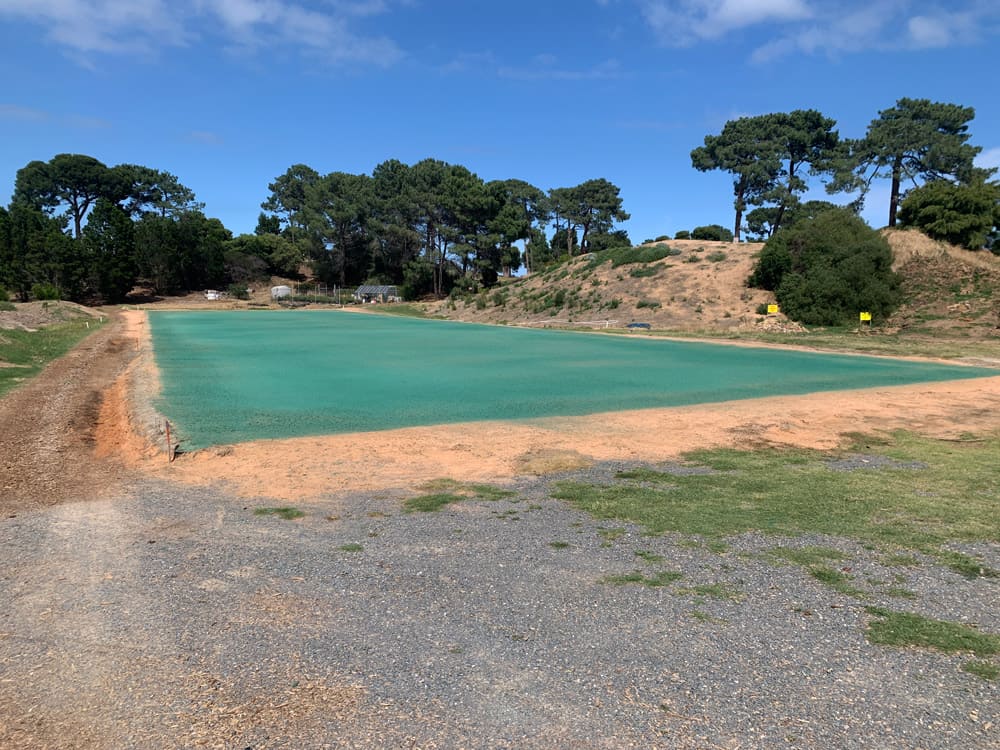
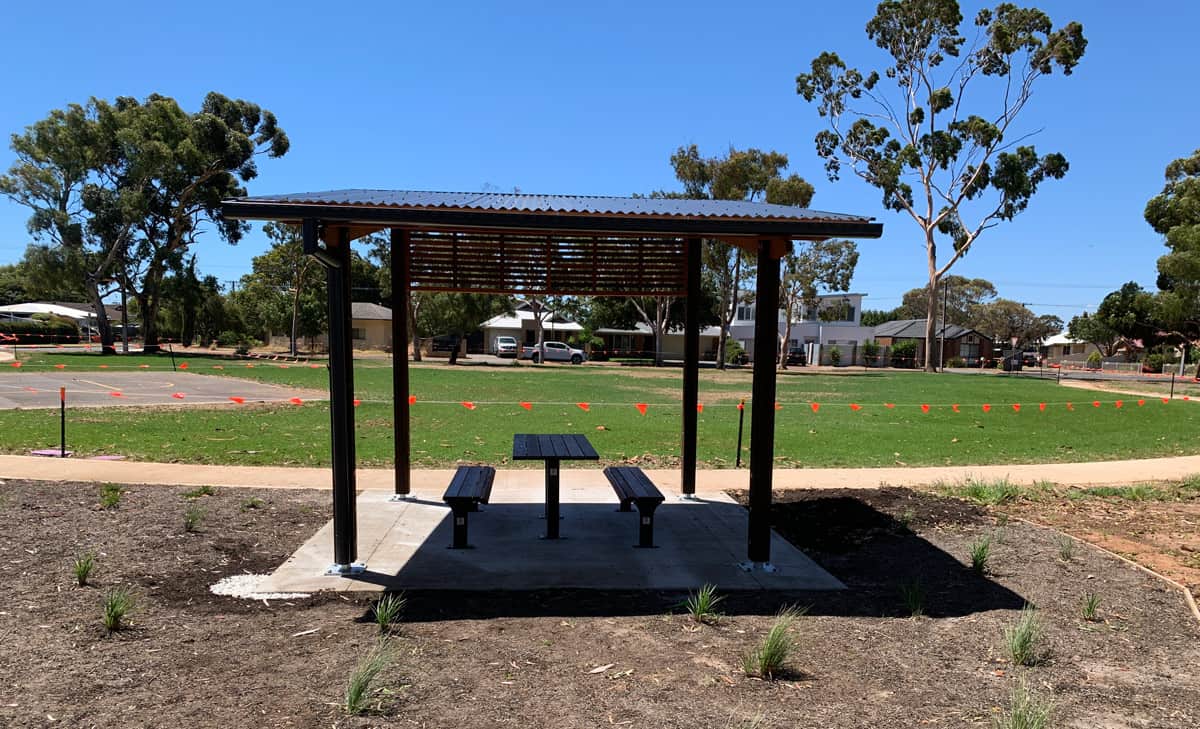
Applications of Hydroseeding & Hydromulching
Hydroseeding and hydromulching are versatile solutions for a wide range of projects. Whether you’re planting a new lawn, stabilising a steep slope, or protecting exposed soil, these techniques make it quick and easy to establish vegetation and control erosion.
Common applications include:
- Residential and commercial lawns
- Parks, sports fields, and recreational areas
- Hillsides, slopes, and embankments
- Quarries, mines, and industrial sites
- Areas requiring erosion control or dust suppression
If your site has challenging terrain, inaccessible areas, or large surface areas, professional hydroseeding and hydromulching services are an efficient and cost-effective solution to get the job done right.
Benefits of Hydroseeding & Hydromulching
Using hydroseeding and hydromulching services provides a range of benefits for your project:
- Fast vegetation growth: High-quality seed and mulch ensure quicker germination and healthier plants than traditional broadcast seeding.
- Effective erosion control: These methods stabilise soil, protect slopes, and prevent runoff.
- Cost-efficient: Less labour and equipment are needed compared to sod or hand-seeding methods.
- Improved moisture retention: Mulch and polymer binders help keep seeds hydrated and protected.
- Dust control: Hydromulching can reduce airborne dust on construction, industrial, or mining sites.
- Versatile applications: Works well on difficult terrain, steep embankments, or large-scale commercial projects.
How We Apply Hydroseed & Hydromulch
At Hydroseeding Australia, we use specialised equipment to apply hydroseeding slurry evenly across your site. The mixture of seed, fertiliser, mulch, and tackifying agents creates a protective seedbed that promotes fast and reliable vegetation growth.
For hydromulching, the same process is used without seed, applying mulch and binders to stabilise the soil, retain moisture, and protect existing plantings. By carefully selecting the right combination of seed, fertiliser, mulch, and polymer binders, we make sure every project achieves maximum results.
Why Choose Hydroseeding Australia
With years of experience in hydroseeding and hydromulching for erosion control, Hydroseeding Australia delivers professional, tailored solutions for every project. We help:
- Establish healthy vegetation quickly
- Stabilise soil and prevent erosion
- Control dust and protect nearby areas
- Deliver cost-effective, long-lasting results
No matter the size or complexity of your project, our team provides reliable, environmentally responsible hydroseeding and hydromulching services to meet your goals.