

Dam Floccing
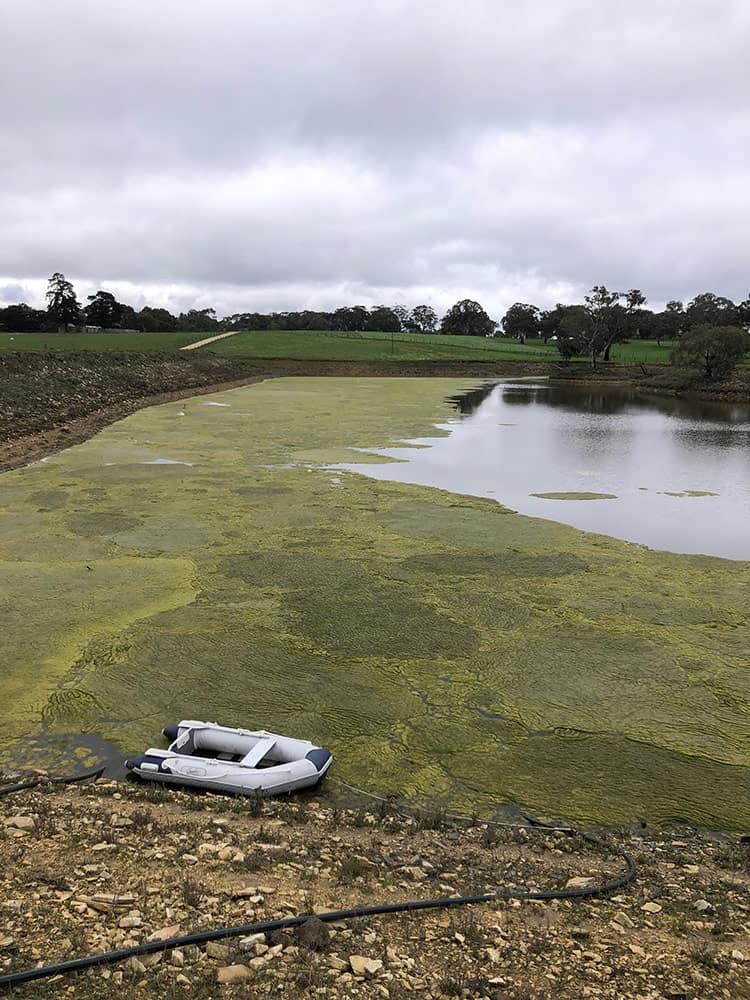
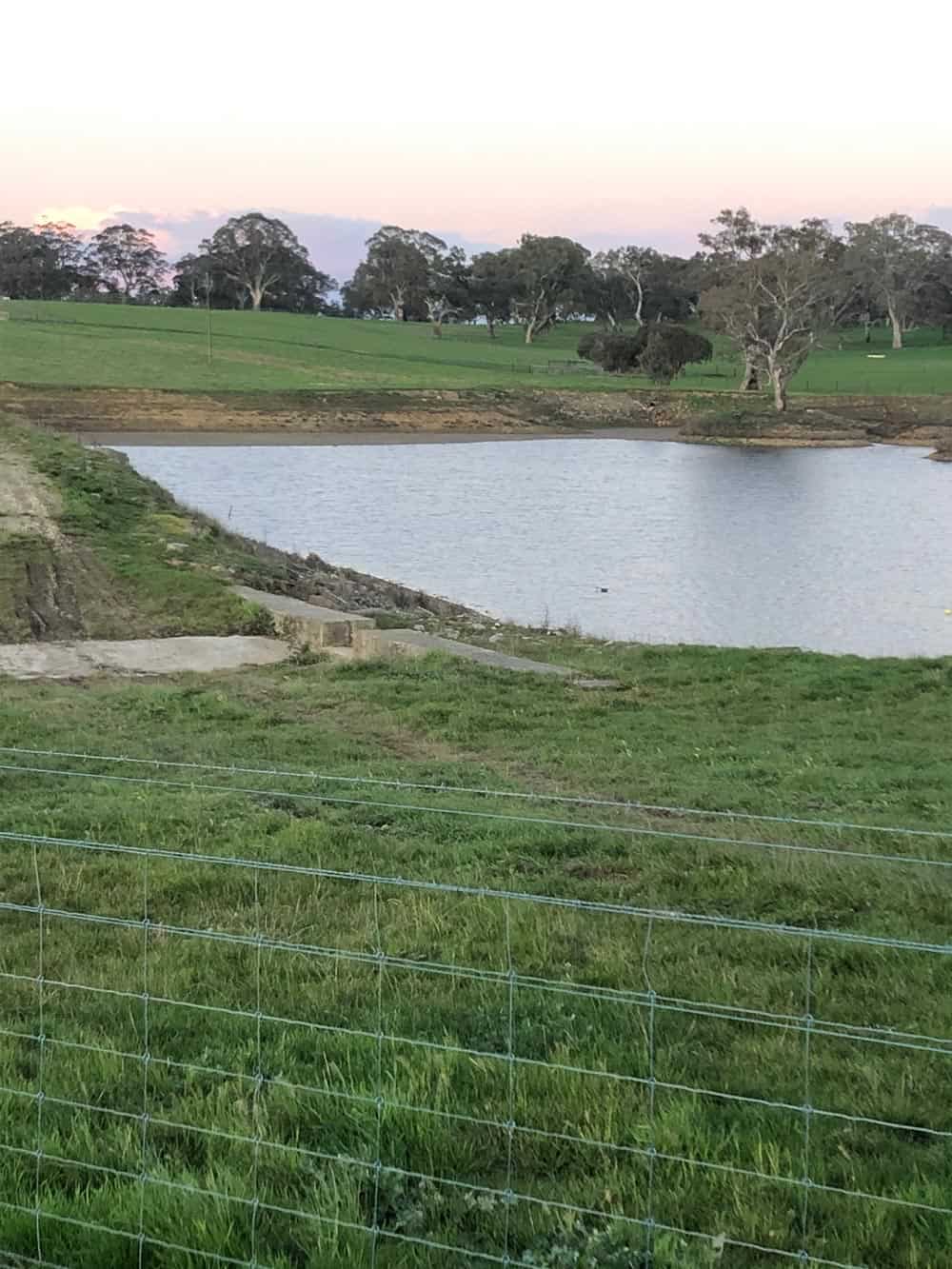
We can spray Flocculant to your dam to settle algae or various particles to the bottom of the dam to prevent pump blockages saving time and money.
In colloid chemistry, flocculation refers to the process by which fine particulates are caused to clump together into a floc. The floc may then float to the top of the liquid (creaming), settle to the bottom of the liquid (sedimentation), or be readily filtered from the liquid.
Why Professional Dam Floccing Matters
Poor dam water quality can have a direct impact on irrigation systems, spray equipment, and stock water supply. Fine particles and suspended sediment can keep water permanently turbid, increasing pump wear, blocking filters, and reducing overall system efficiency.
Professional dam floccing works by binding fine particles together so they can separate from the water. Depending on conditions, these particles may settle, float, or become easier to filter, resulting in clearer, more usable dam water. When applied correctly, flocculants deliver long-term water quality improvements, reduce ongoing maintenance, and are especially effective for dams affected by erosion, runoff, and disturbed catchments.
Applications of Dam Floccing Services
Dam floccing is suitable for a wide range of applications, including:
- Farm dams and agricultural water storage
- Irrigation dams supplying spray systems
- Stock water dams
- Construction and civil sites with sediment affected dams
- Properties experiencing repeated pump blockages
Each dam is assessed individually to ensure the correct flocculant application method is used based on water conditions, sediment type, and dam size.
Key Benefits of Dam Floccing
- Improves dam water clarity
- Reduces muddy water and suspended sediment
- Minimises pump and irrigation blockages
- Improves irrigation system performance
- Reduces maintenance and downtime
- Supports long term water quality management
- Complements erosion control and revegetation solutions
How Dam Floccing Works
Dam floccing begins with an assessment of water clarity, sediment type, and dam conditions. Fine particles are often electrically charged, which prevents them from settling naturally. Flocculants neutralise this charge, allowing particles to bind together into larger clusters that can then separate from the water.
Once applied, results can often be seen within hours to days, depending on water movement, depth, and sediment load. In some cases, particles settle to the bottom, while in others they rise or become easier to filter out. This process significantly improves water clarity and makes dam water more suitable for irrigation, spraying, and stock use.
Correct application is critical. Over or under dosing can reduce effectiveness, which is why professional dam floccing delivers more reliable and longer lasting results than DIY treatments.
Dam Floccing vs Traditional Dam Treatments
Dam floccing offers a cost effective alternative to traditional methods such as dredging, draining, or repeated pump cleaning. While physical removal of sediment can be disruptive and expensive, flocculation treats the problem at a water quality level without damaging the dam structure.
Unlike temporary filtration solutions, dam flocculants address fine suspended particles that are often too small to settle naturally. When combined with erosion control and revegetation works, dam floccing becomes part of a long term water management strategy rather than a short term fix.
This makes it particularly suitable for properties experiencing ongoing turbidity caused by catchment erosion, runoff, or disturbed soils.